The Future of FDM Printing: Multi-Material and Composite Manufacturing
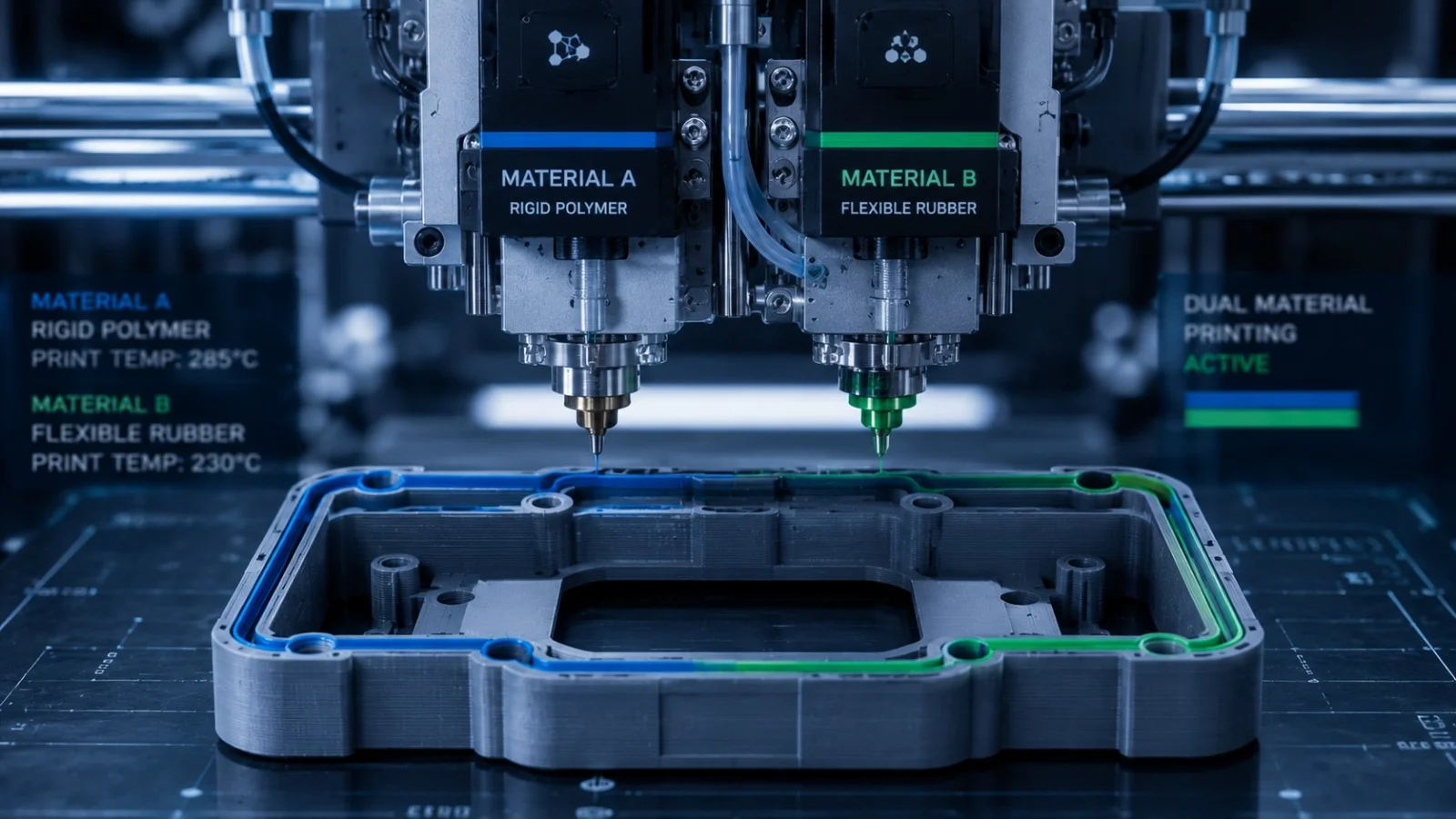
The future of FDM lies in multi-material systems that print flexible seals, structural reinforcement, and soluble supports into a single complex component in one print job.
The Next Frontier in Additive Manufacturing
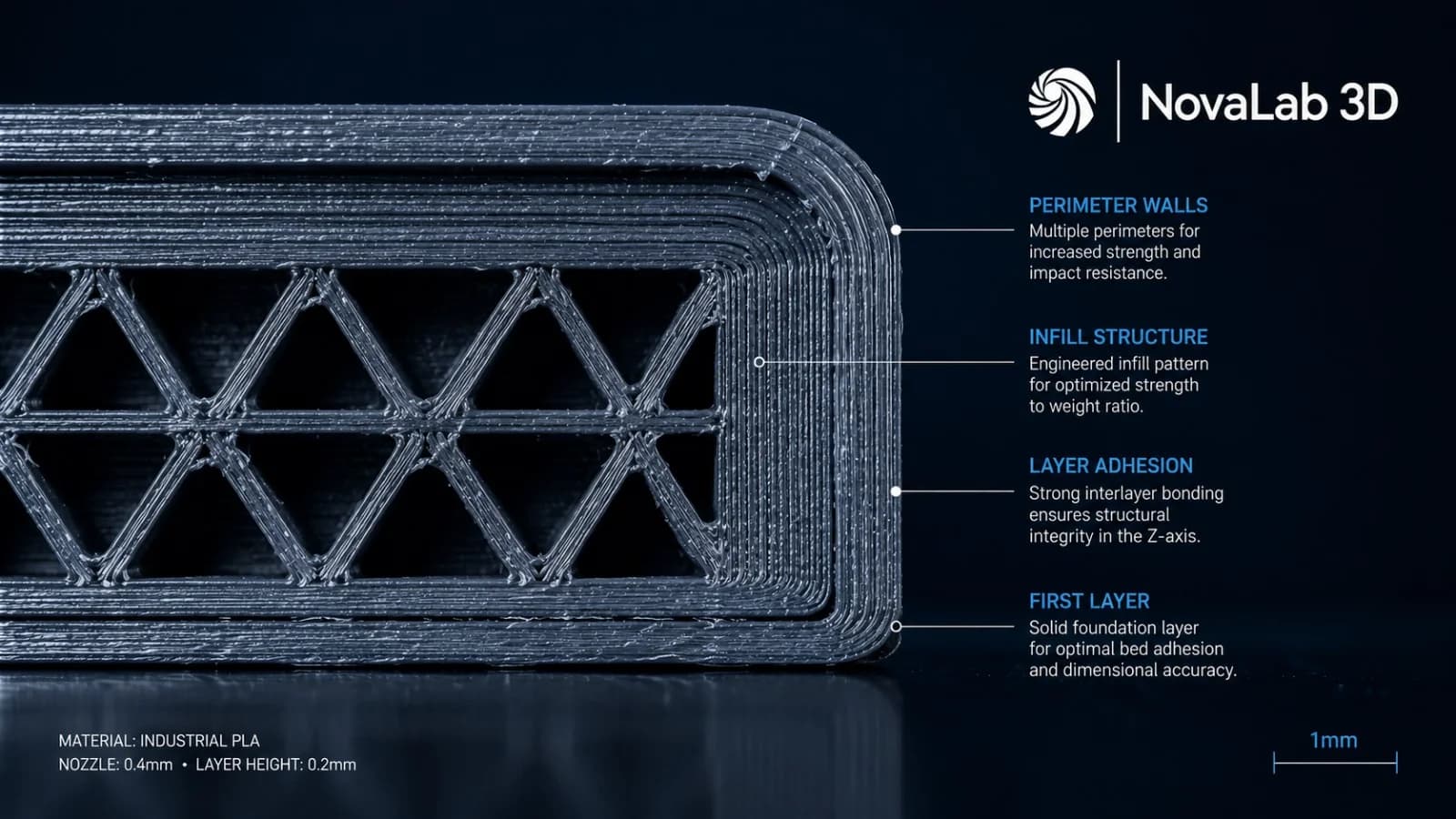
FDM 3D printing has transitioned from a hobbyist prototyping tool into a robust, industrial-grade manufacturing process. But where is the technology heading? As hardware platforms and software slicing algorithms mature, the future of FDM is defined by two key developments: multi-material integration and continuous composite reinforcement.
These advancements are closing the remaining gap between printed polymers and machined metals, allowing for the deployment of complex, functional parts directly to the factory floor.
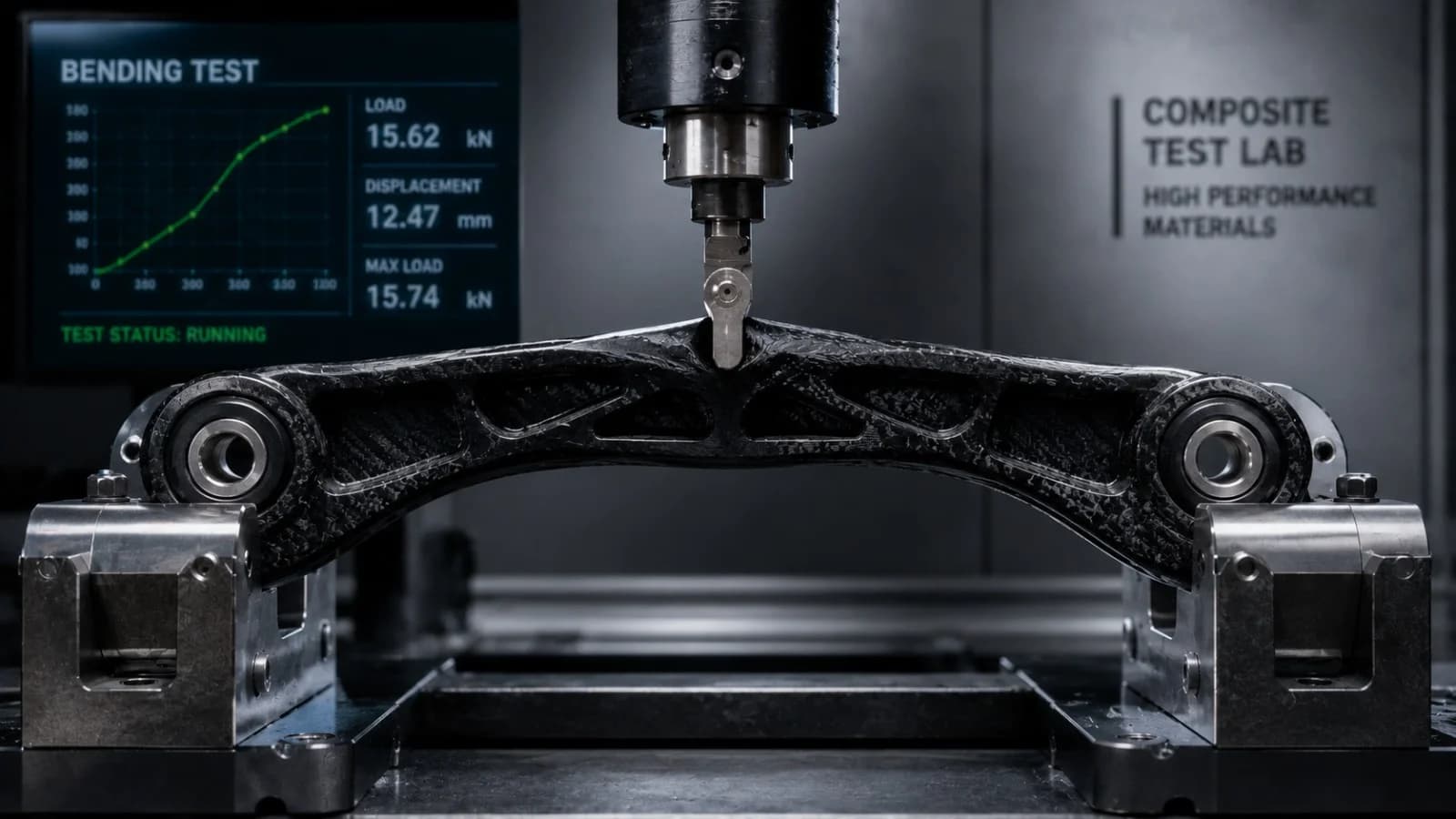
The future of FDM printing lies in printing multi-material parts with embedded sensors and continuous carbon fibre strands, enabling parts with metallic strength and polymer flexibility in a single process.
1. Multi-Material Extrusion (IDEX & Tool Changers)
Traditional printing is single-material. If you need a flexible gasket on a rigid enclosure, you must print them separately and assemble them.
- Independent Dual Extruders (IDEX): Modern IDEX printers have two separate nozzles that can move independently on the X-axis. This allows for printing parts with a rigid base material (like PETG) and a flexible soft-touch skin (like TPU) in a single run.
- Soluble Support Material: Multi-nozzle systems allow for printing support structures in water-soluble polymers (like PVA). Once the print is finished, it is placed in a water bath, and the support material dissolves completely, leaving a perfect surface finish on overhangs.
2. Continuous Carbon Fibre Reinforcement
Current carbon fibre filaments contain short, chopped fibres suspended in plastic. While this increases stiffness, it cannot match the strength of continuous carbon fibre.
- Continuous Fiber Deposition: Next-generation industrial printers deposit a continuous strand of carbon fibre filament along specific load paths, mirroring how composite structures are laid up by hand.
- Metal Replacement: This results in components with tensile strengths exceeding aluminium, allowing them to replace structural metal brackets in motorsports, aerospace, and heavy industry.
Stay Ahead of the Curve
NovaLab 3D invests in the latest additive manufacturing technology to provide our Yorkshire B2B clients with cutting-edge capabilities. Partner with Keagan Walker to explore how multi-material manufacturing can improve your product design.
Frequently Asked Questions
Keagan Walker
Founder & Lead Designer
NovaLab 3D is a boutique engineering and additive manufacturing studio based in Pickering, North Yorkshire. We provide B2B clients and product developers with direct access to lead engineering consulting, fast 48-hour turnarounds, and custom FDM production runs.