Choosing Composites for Heavy Duty Prototyping in Yorkshire
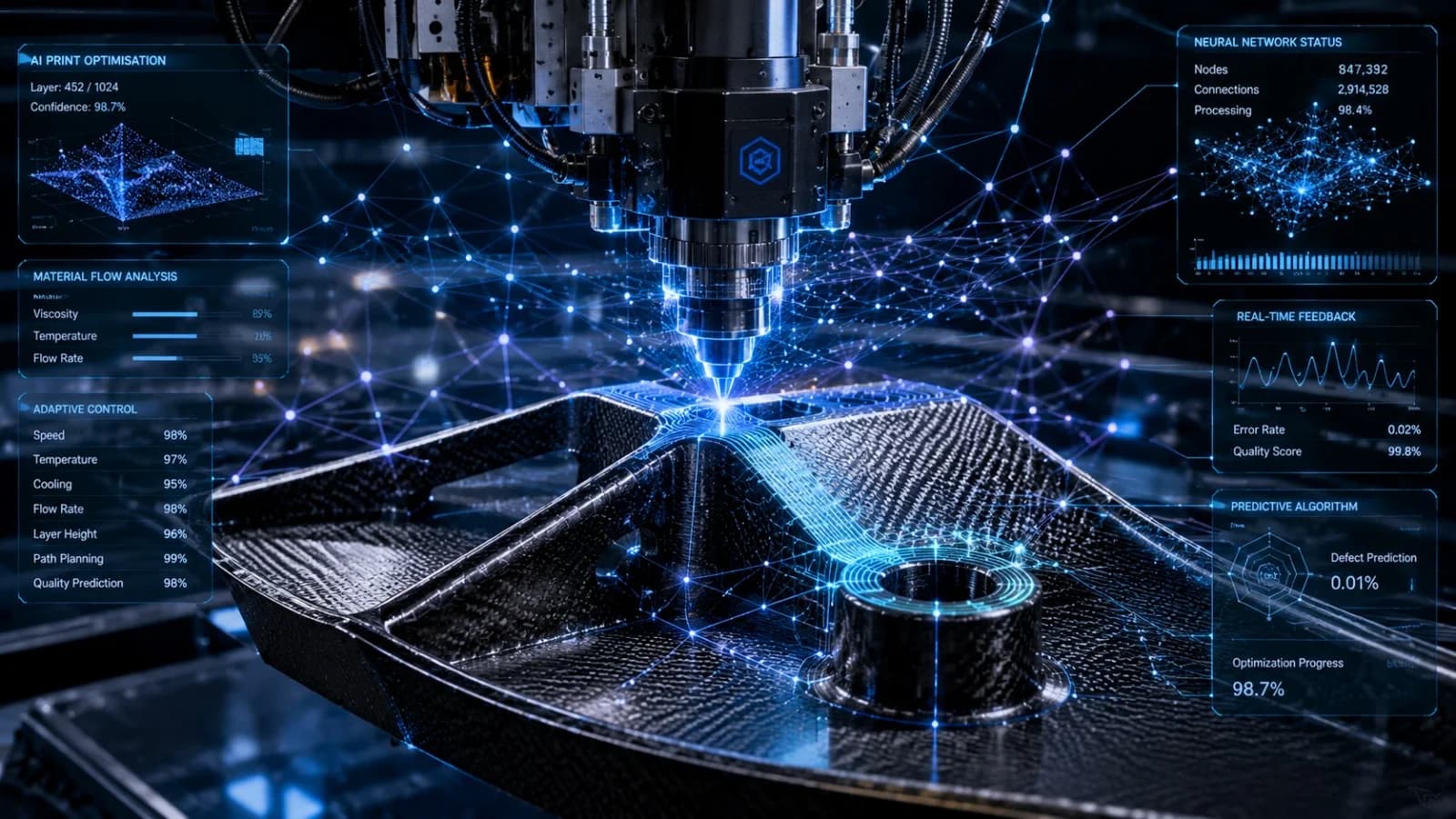
Carbon and glass-fibre composites allow Yorkshire manufacturers to replace machined metal components with lightweight, high-temperature, structural 3D prints.
Rise of Composite Materials
Traditional 3D printing filaments like PLA and PETG are excellent for fit-and-form prototypes, but they often fall short under real-world mechanical stress, high temperatures, or outdoor exposure. For engineering firms and manufacturing sectors across Yorkshire, digital manufacturing has entered a new era with the arrival of high-performance composite filaments.
At NovaLab 3D, our Pickering facility regularly fabricates structural brackets, assembly jigs, and custom enclosures using Carbon Fibre Reinforced and PA6-GF Glass Fibre polymers.
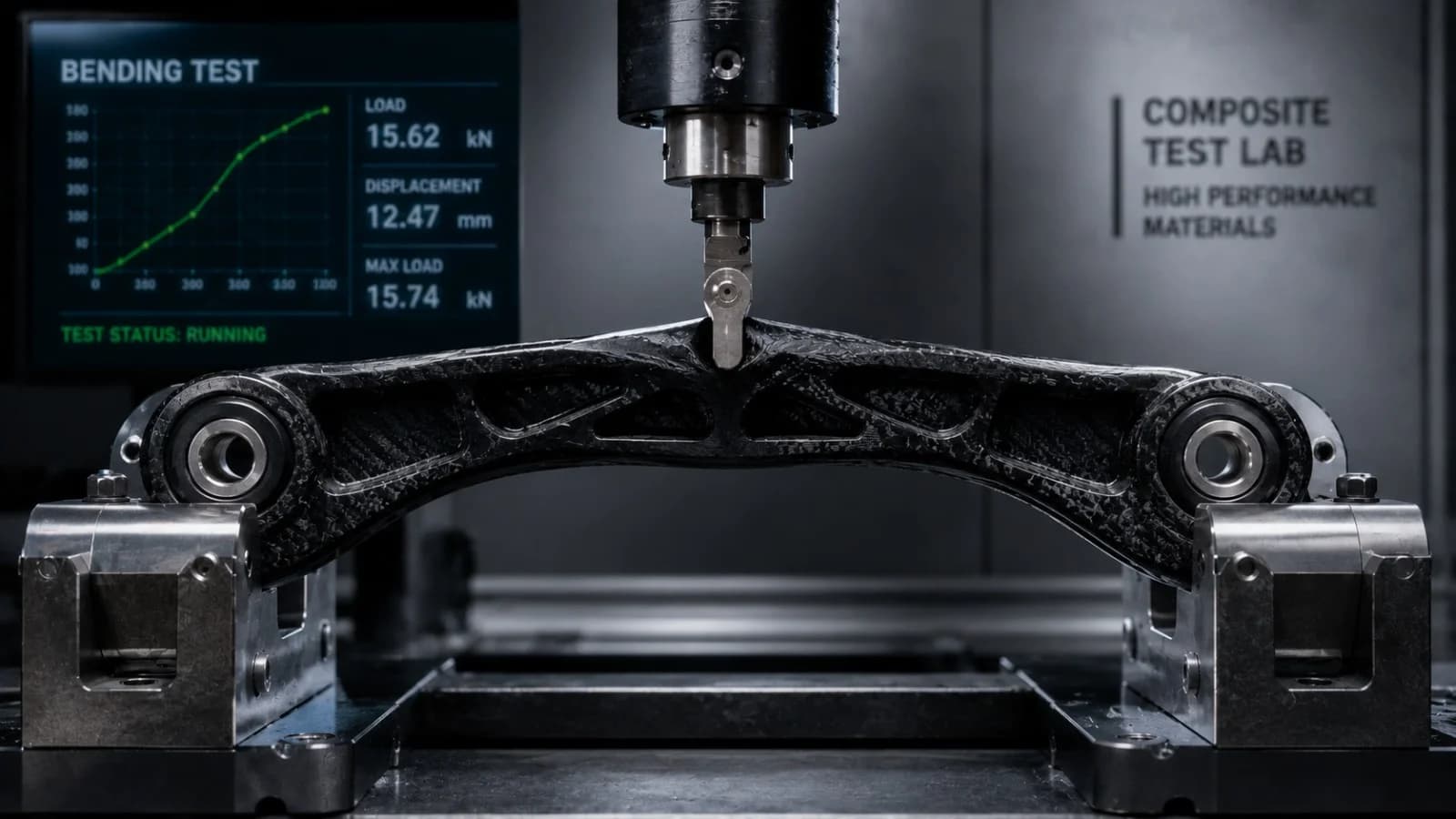
Carbon fibre composites offer ultimate rigidity and low weight, while glass fibre nylon provides high impact resistance and temperature deflection up to 150°C.
Why Choose Carbon Fibre Reinforced Filaments?
Carbon fibre composites consist of high-strength carbon micro-strands suspended within a base polymer (such as Nylon or PETG). This reinforcement yields key structural properties:
- Extreme Rigidity: Dramatically higher stiffness-to-weight ratio compared to standard polymers.
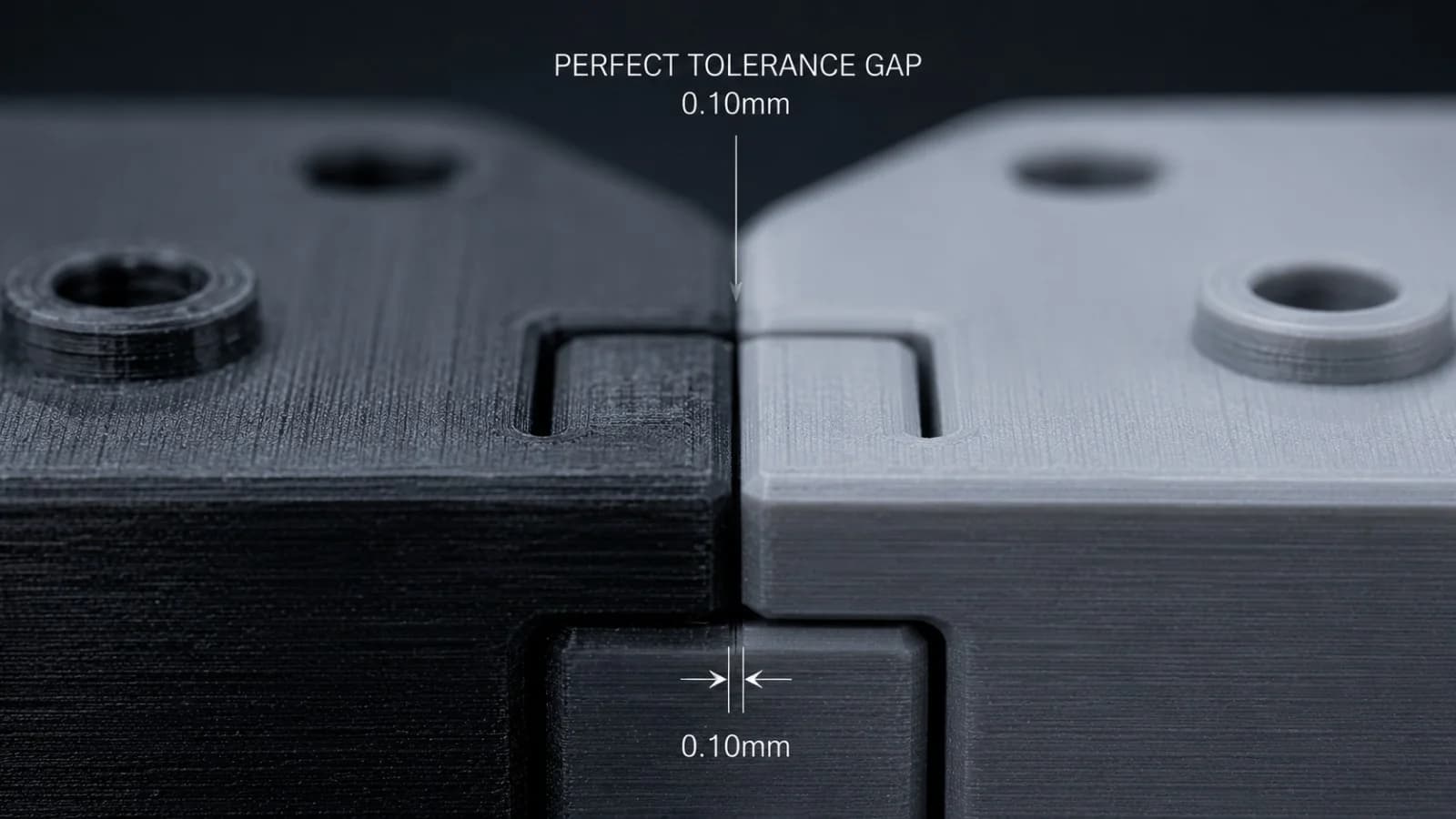
- Low Warp & High Dimensional Stability: Negligible shrinkage during cooling, making it perfect for large, precision-engineered assemblies.
- Professional Matte Finish: The carbon strands give prints a sleek, industrial, textured surface finish that hides layer lines.
Best Applications: Drone frames, structural brackets, robotic end-effectors, motorsport components, and jigs.
Understanding PA6-GF Glass Fibre Nylon
While carbon fibre offers ultimate rigidity, it can be brittle under high impact. This is where Glass Fibre Reinforced Polyamide (PA6-GF) shines. Suspension of glass fibres in Nylon provides:
- High Impact Resistance: Unlike carbon fibre, glass fibre nylon deflects and absorbs energy under impact without catastrophic failure.
- Exceptional Heat Resistance: Deflection temperatures often exceed 150°C, making it suitable for engine bays or heated enclosures.
- Chemical and Wear Durability: Excellent resistance to fuels, lubricants, and high wear.
Best Applications: Automotive engine bay fixtures, high-load industrial pulleys, outdoor housings, and load-bearing brackets.
Designing for Composite Prints
When sending your CAD files to us for composite manufacturing, keep these engineering tips in mind:
- Threaded Inserts: Direct plastic threads can strip under load. We recommend designing holes to accept brass heat-set threaded inserts, which we can press-fit into the component after printing.
- Anisotropy: 3D prints are naturally weaker along the Z-axis (layer boundaries). Orient your parts so that maximum stress runs parallel to the build plate (X/Y axes). We are happy to review your geometries and advise on optimal print orientations to ensure maximum structural strength.
By opting for composite additive manufacturing, you can validate structural components and deploy end-use parts in a fraction of the time and cost compared to traditional CNC machining.
Frequently Asked Questions
Keagan Walker
Founder & Lead Designer
NovaLab 3D is a boutique engineering and additive manufacturing studio based in Pickering, North Yorkshire. We provide B2B clients and product developers with direct access to lead engineering consulting, fast 48-hour turnarounds, and custom FDM production runs.