Additive Manufacturing in Lancashire: Empowering Aerospace and Automotive Supply Chains
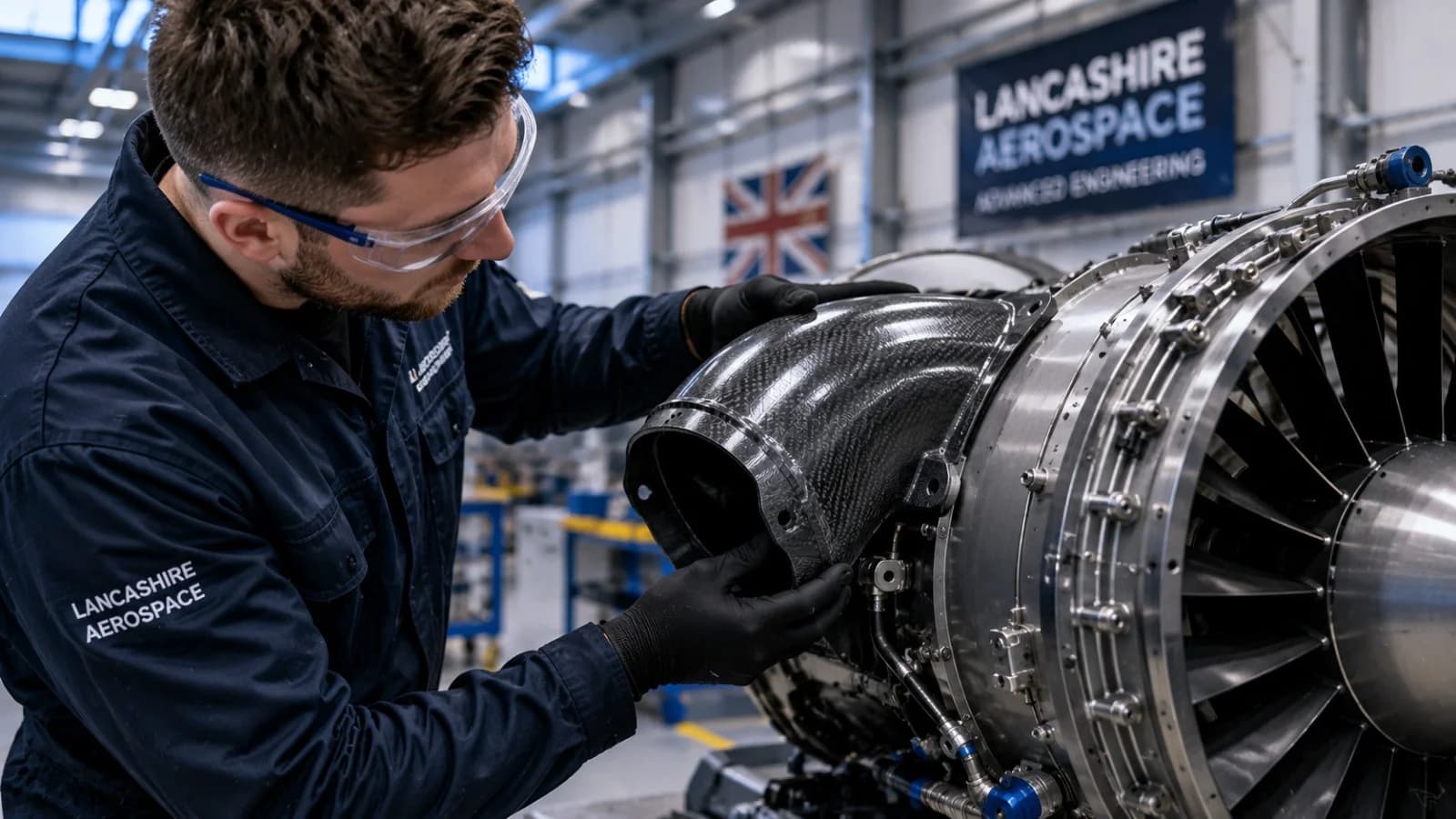
Lancashire’s advanced engineering hubs in Samlesbury, Warton, and Leyland are leading a manufacturing shift. By transitioning from heavy machined metal tooling to high-strength 3D printed composites, aerospace and automotive suppliers are compressing lead times from weeks to days. Using carbon fibre and glass fibre reinforced nylons, local firms can fabricate lightweight, non-marring jigs and fixtures that improve assembly line ergonomics and protect critical components.
Innovation in Lancashire's Corridor
Lancashire has a long history of industrial excellence, from the early cotton mills of the industrial revolution to its modern standing as a leader in British aerospace and heavy automotive manufacturing. The county's engineering corridor, running from Preston through Leyland, Warton, and Samlesbury, is home to BAE Systems, global truck builders, and a vast network of Tier-1 and Tier-2 suppliers.
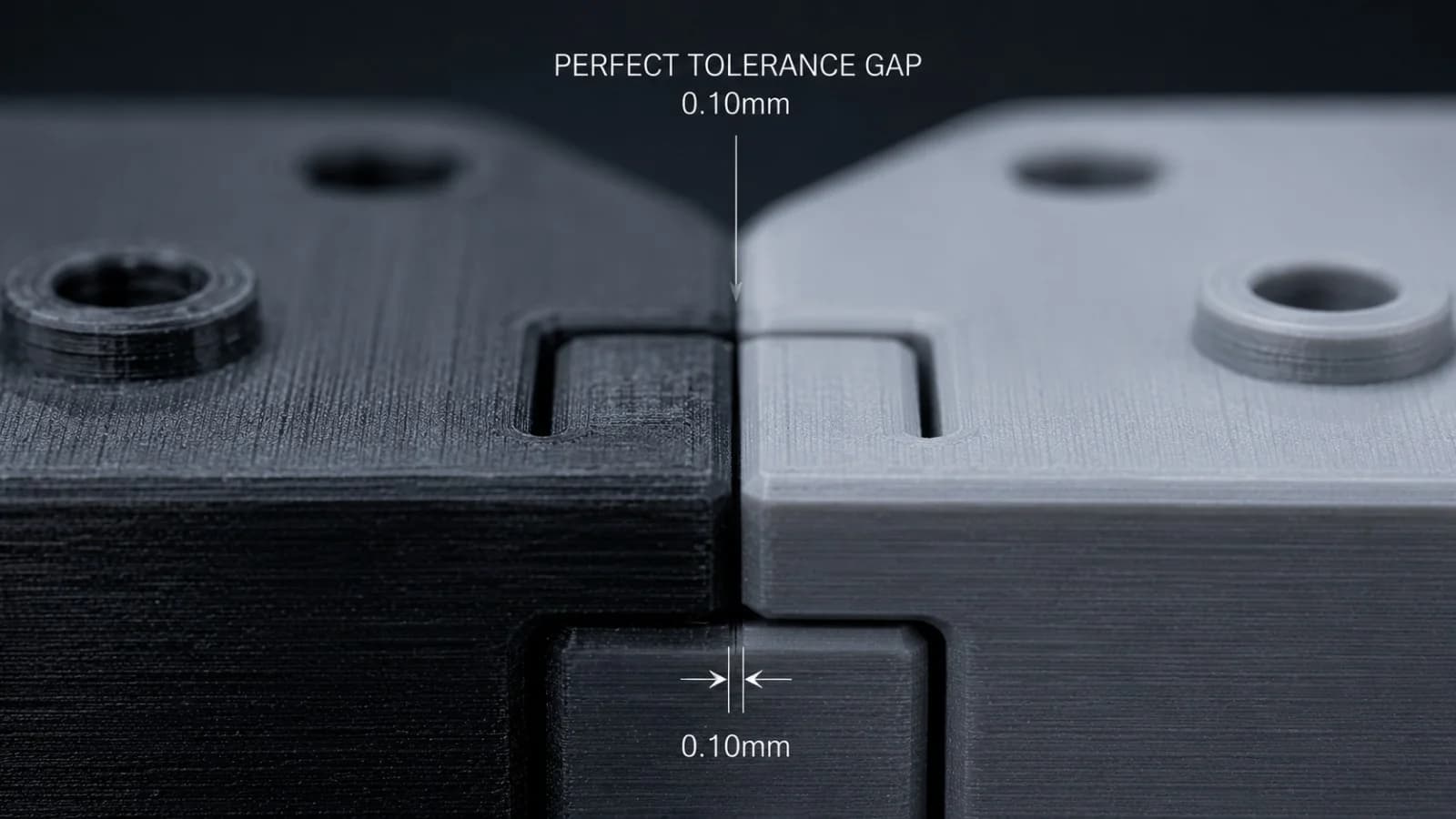
In these advanced manufacturing sectors, efficiency, precision, and operator safety are critical. Every component on the assembly line must meet strict tolerances, and the tooling used to position and inspect those components must be fabricated quickly.
Historically, aerospace jigs and automotive assembly fixtures were CNC milled from steel or aluminum. Sourcing these tools meant waiting weeks for machine shops and paying premium rates.
Today, Lancashire manufacturers are bypassing these bottlenecks by adopting high-strength composite additive manufacturing. FDM (Fused Deposition Modelling) with carbon-reinforced polymers allows local suppliers to produce functional, rigid tooling within forty-eight hours.
1. Lightweighting Shop-Floor Tooling with Carbon Fibre
In aerospace assembly, the weight of manual tooling is a significant safety and productivity factor. If an operator must handle a ten-kilogram alignment guide dozens of times during a shift, physical fatigue increases, which can lead to alignment errors and safety risks.
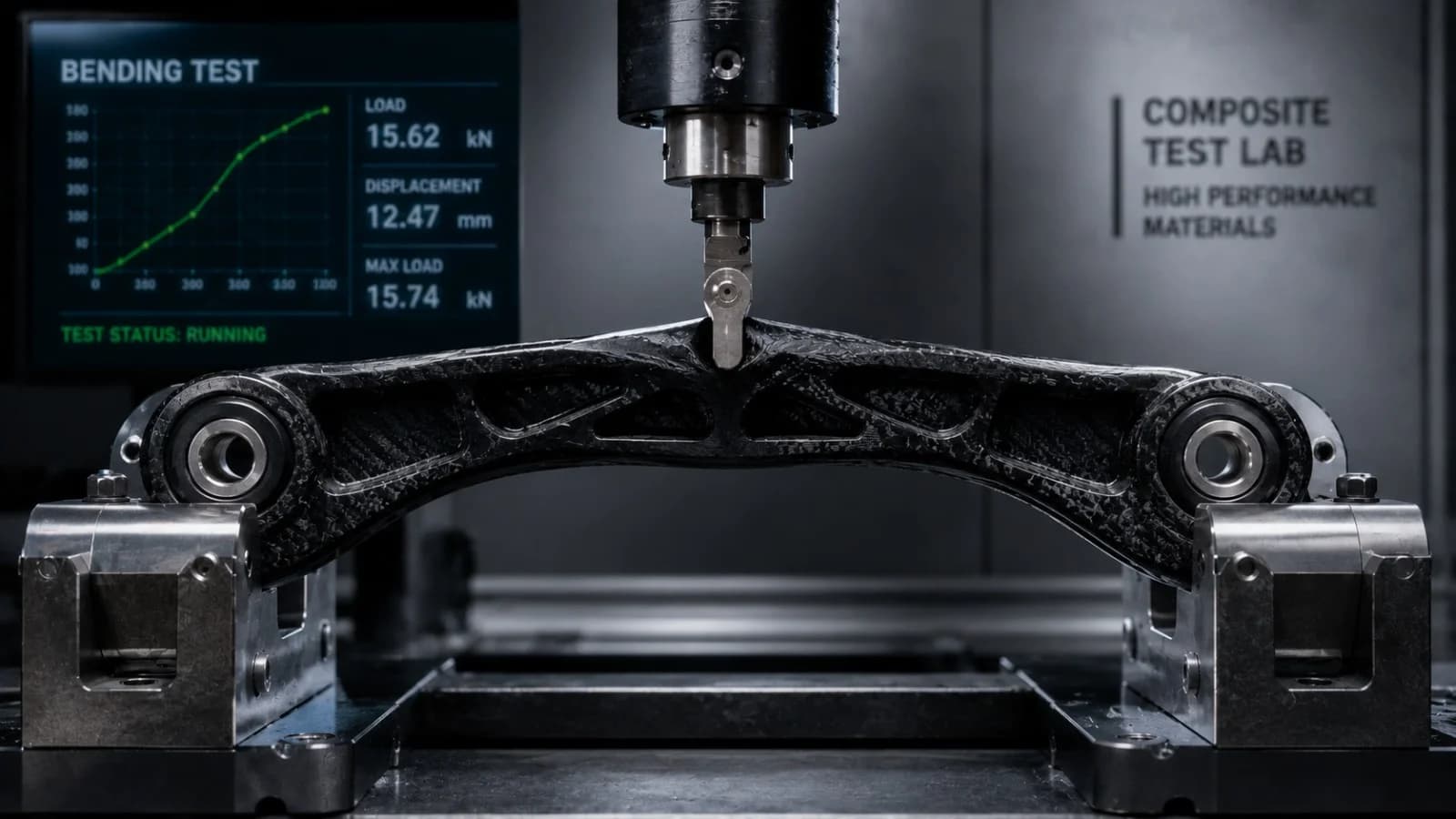
By using Carbon Fibre Reinforced Polyamide (PA6-CF), we can print jigs that offer excellent mechanical stiffness at a fraction of the weight: * Improved Ergonomics: A positioning template that once weighed eight kilograms in aluminum can be printed in PA6-CF at just 1.5 kilograms. This allows technicians to handle the tools manually without requiring overhead hoists. * Surface Protection: Metal jigs can easily scratch polished aluminum panels or delicate carbon-composite wings. Carbon fibre nylon components are non-marring, holding aerospace surfaces securely without scratching. * Rapid Re-tooling: If a component design is updated, the corresponding assembly jig can be modified in CAD and printed overnight, keeping the assembly line running without delays.
2. Glass-Fibre Nylon for Automotive Durability
While carbon fibre offers ultimate rigidity, it can be brittle under high-impact forces. For the demanding shop floors of automotive manufacturers, we turn to Glass Fibre Reinforced Polyamide (PA6-GF).
Glass fibre nylon contains suspended structural glass fibres that provide excellent impact toughness and heat deflection: * High-Impact Vibration Damping: Automotive assembly equipment experiences constant road and air vibrations. PA6-GF absorbs these loads without cracking, making it ideal for robotic end-effectors and shop-floor clamps. * Thermal Deflection: PA6-GF holds its structural shape at temperatures up to 150 degrees Celsius, allowing it to be used in warm environments such as engine bays or welding booths. * Chemical Resistance: Nylon is highly resistant to motor fuels, grease, lubricants, and cutting fluids, ensuring that custom printed guides and mounts do not degrade on the factory floor.
3. Combating Obsolescence in Legacy Machinery
Beyond new assembly tooling, Lancashire manufacturers use 3D printing for maintenance and repair. If a legacy manufacturing machine breaks down, sourcing a replacement guide or bracket can take weeks, especially if the original equipment manufacturer is no longer in business.
By reverse-engineering the broken part using physical measurements and CAD software, we can print a functional replacement in composite materials. A new gear or mounting bracket can be delivered to the factory floor within forty-eight hours, saving thousands of pounds in delayed production costs.
Lancashire’s engineering corridors are securing their future by integrating additive manufacturing. Partnering with a northern bureau like NovaLab 3D gives regional firms access to advanced composites and direct technical reviews.
Frequently Asked Questions
Keagan Walker
Founder & Lead Designer
NovaLab 3D is a boutique engineering and additive manufacturing studio based in Pickering, North Yorkshire. We provide B2B clients and product developers with direct access to lead engineering consulting, fast 48-hour turnarounds, and custom FDM production runs.